Shanghai Travel Guide 2026
Shanghai Travel Guide 2026: Top Attractions, Food, Culture & Travel Tips for a Perfect Trip
Planning a trip to Shanghai in 2026? As one of the world’s most dynamic and vibrant cities, Shanghai seamlessly blends ancient traditions with cutting-edge modernity, offering travelers an unforgettable experience of Culture, cuisine, and urban charm. Whether you’re a first-time visitor or a seasoned traveler looking to explore beyond the iconic skyline, this comprehensive Shanghai travel guide covers everything you need to know—from must-visit attractions and authentic local food to practical travel tips, cultural insights, and hidden gems. Optimized for Google and Bing, this guide will help you plan a smooth, memorable trip to the “Magic City” of China.
Table of Contents
Top Shanghai Attractions (2026 Updated)
Shanghai’s attractions are a perfect mix of historic landmarks, modern skyscrapers, scenic spots, and cultural sites. From the iconic Bund to the latest trendy destinations, here are the must-visit places in 2026, with insider tips to avoid crowds and make the most of your visit.
1. The Bund (Wanguo Building Complex)
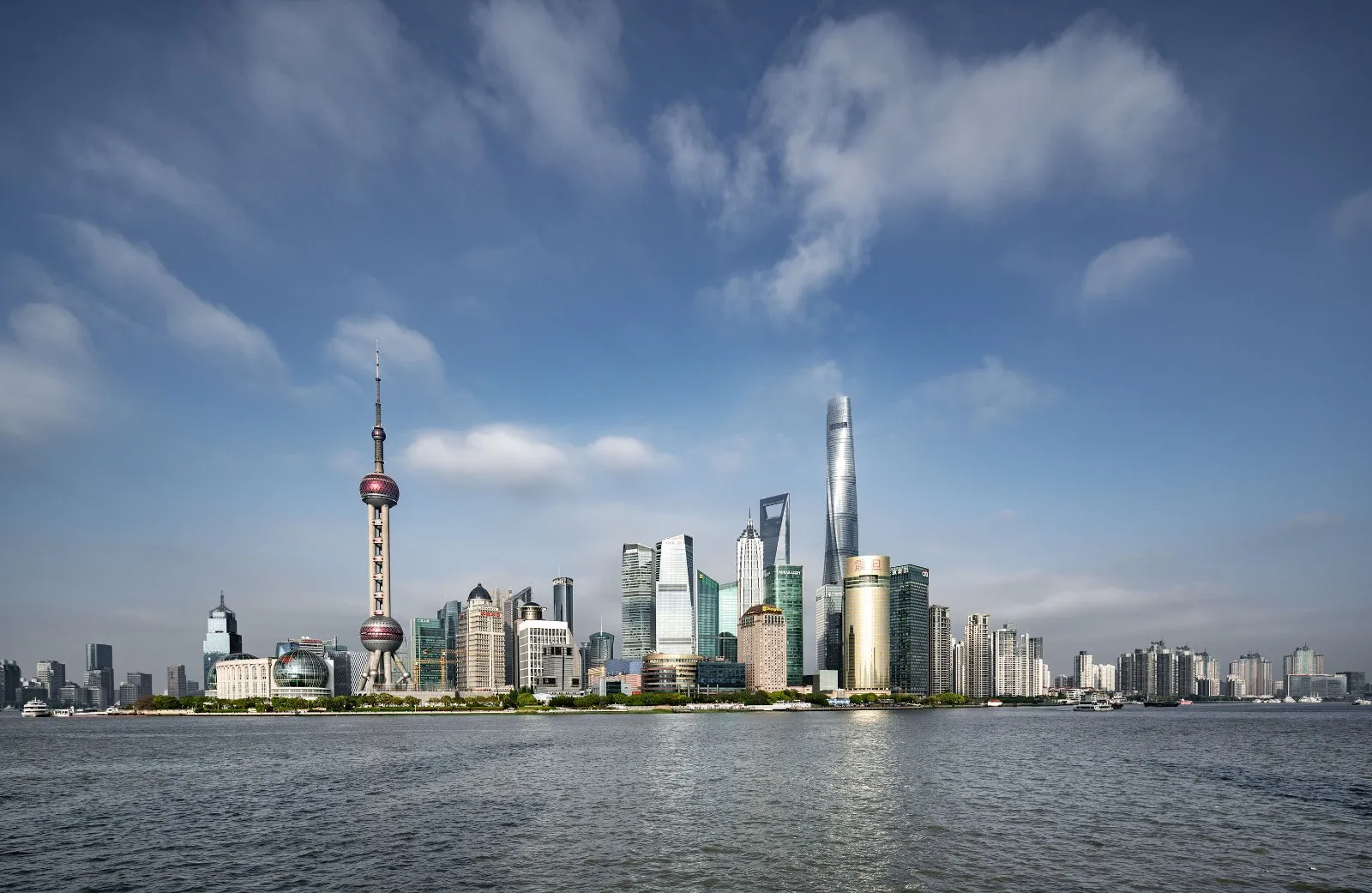
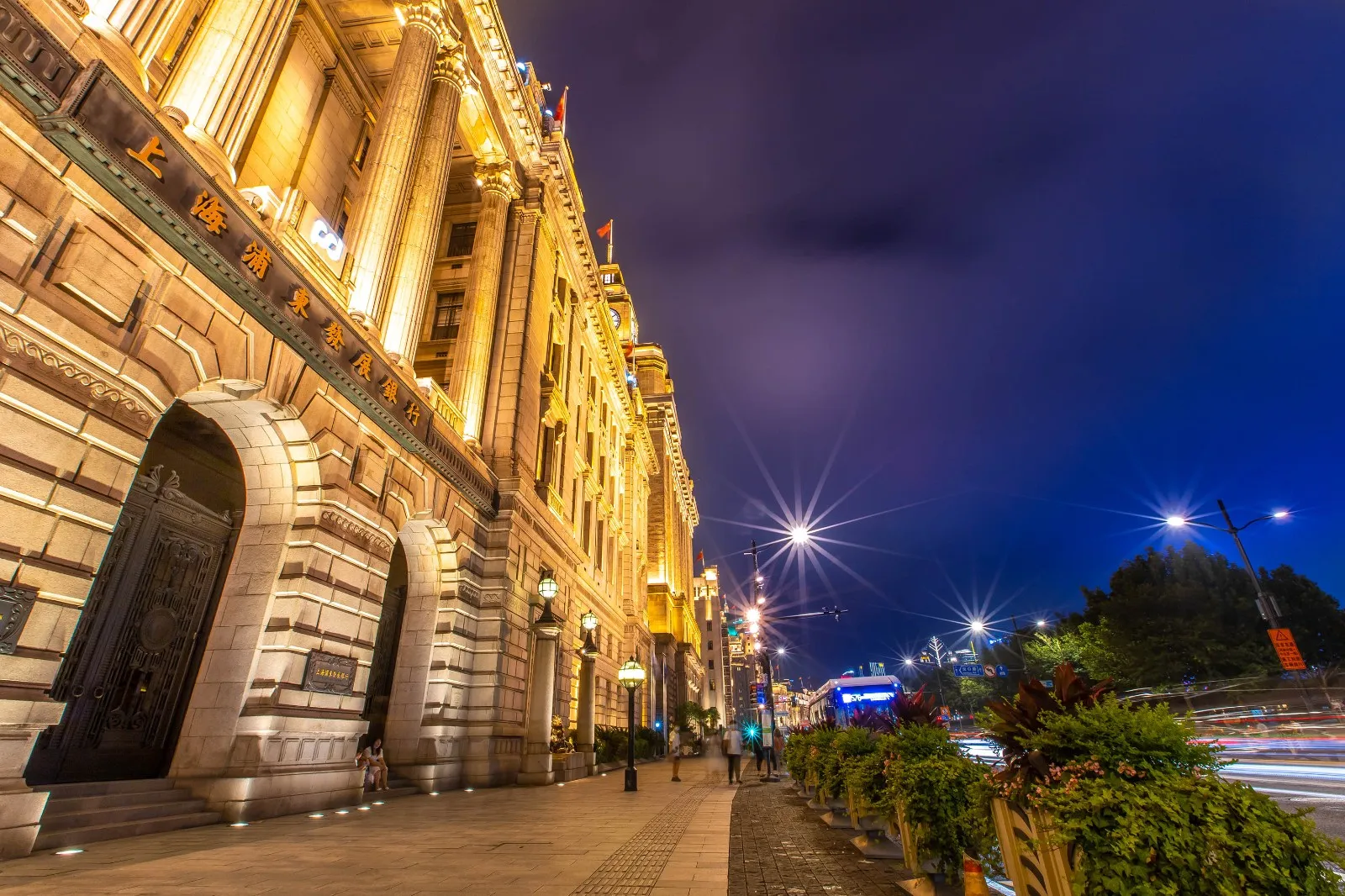
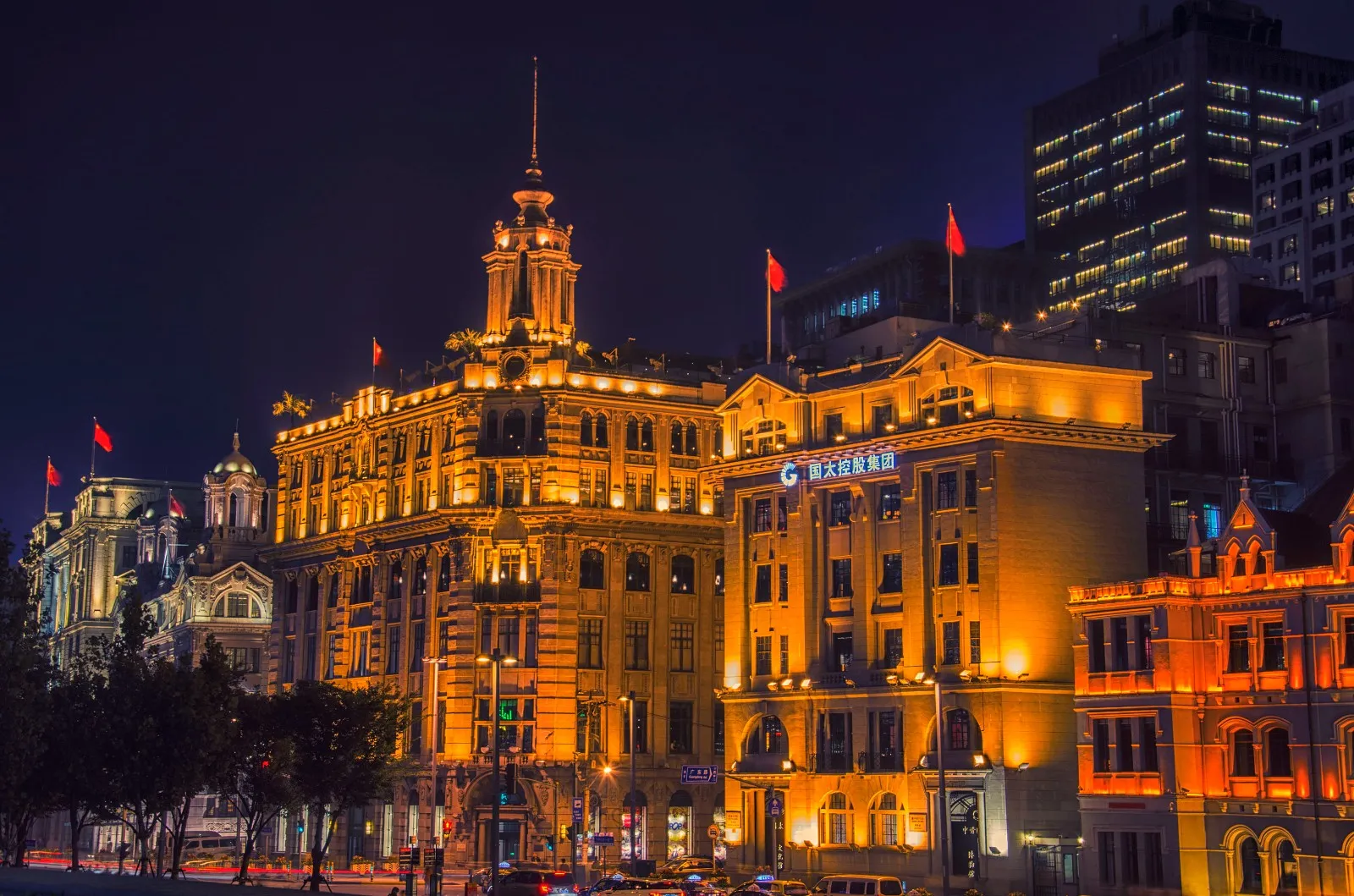
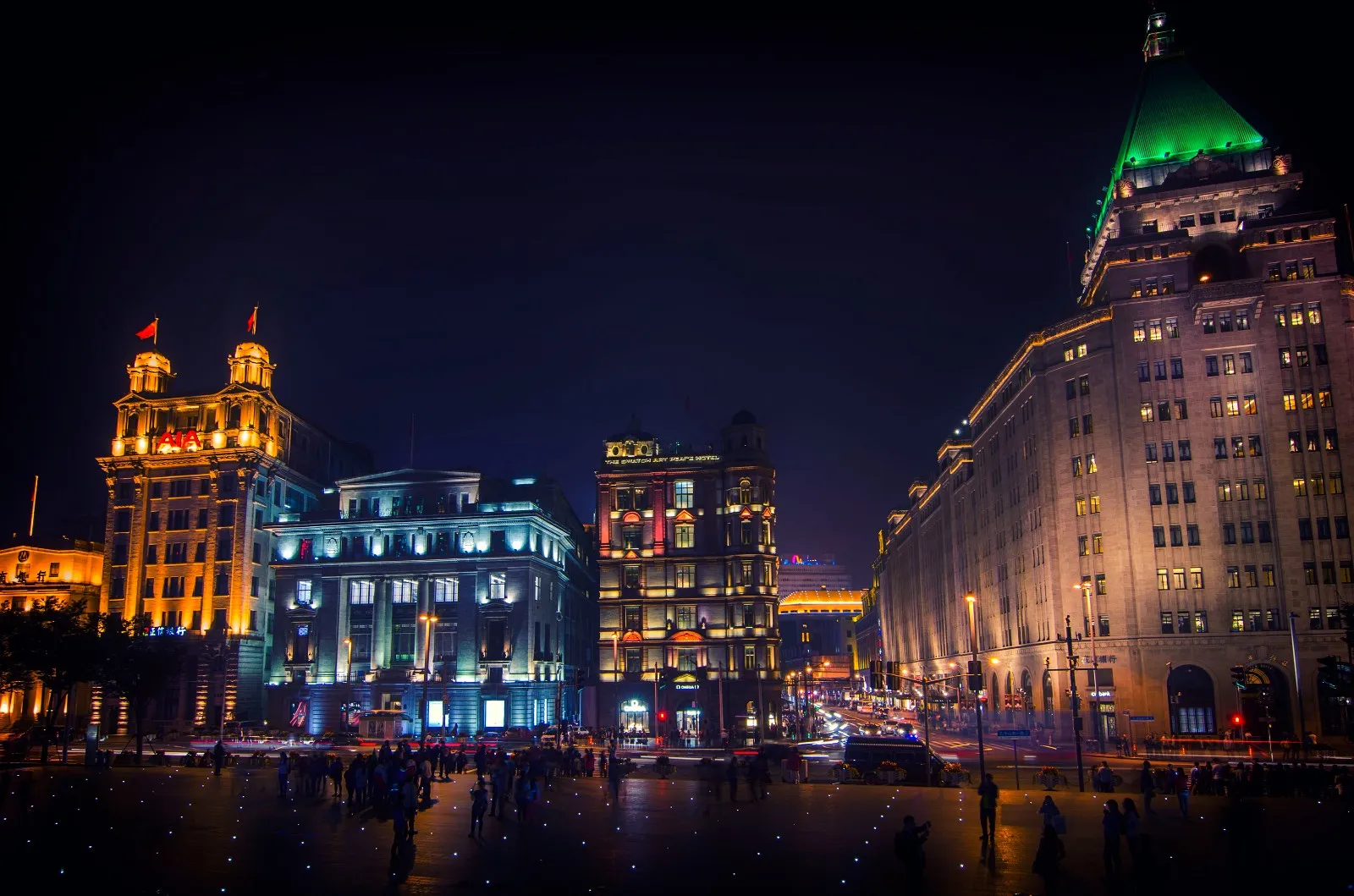
No trip to Shanghai is complete without a visit to The Bund, a 1.5-kilometer waterfront promenade along the Huangpu River. Known as the “Gallery of World Architecture,” it features 52 neoclassical, Gothic, Baroque, and Art Deco buildings, each with a unique history. The Bund offers stunning views of the Pudong skyline, including the Oriental Pearl Tower, Shanghai Tower, and Shanghai World Financial Center—especially breathtaking at night when all buildings are lit up.
Insider Tips: Visit early in the morning (7-9 AM) to avoid crowds and capture clear photos. The best viewing spot for the skyline is near the Bund Signal Tower. Don’t miss the evening light show (7:00 PM and 8:00 PM daily), where the buildings are illuminated with colorful lights and projections.
Location: Zhongshan East Road, Huangpu District
Opening Hours: 24 hours (free entry)
Transportation: Metro Line 2/10 to East Nanjing Road Station, then a 10-minute walk
2. Oriental Pearl TV Tower
As one of Shanghai’s most recognizable landmarks, the Oriental Pearl TV Tower stands 468 meters tall and offers panoramic views of the city. It features three observation decks: the 263-meter main observation deck (for 360° city views), the 259-meter all-transparent glass corridor (for an adrenaline-pumping experience), and the 90-meter space capsule (for a bird’s-eye view of the Huangpu River). In 2026, the tower has upgraded its 78-meter “Higher Shanghai” immersive multimedia show, showcasing a vision of Shanghai 70 years in the future.
Insider Tips: Purchase the 3-ball combo ticket (399 RMB) for full access to all observation decks and the multimedia show. Pair your visit with a trip to the Shanghai Ocean Aquarium, which is within walking distance. Visit after 8 PM to avoid crowds and enjoy the night view of the Bund.
Location: No. 1 Century Avenue, Pudong New Area
Opening Hours: 8:30 AM - 9:30 PM
Transportation: Metro Line 2 to Lujiazui Station
3. Yu Garden (Yuyuan Garden) & City God Temple
For a taste of ancient Shanghai, head to Yu Garden, a classical Jiangnan garden with a history of over 466 years. Built in the Ming Dynasty, the garden features rockeries, ponds, pavilions, and winding corridors, offering a peaceful escape from the city’s hustle and bustle. Adjacent to Yu Garden is the City God Temple, a Taoist temple dedicated to the City God, and the surrounding Yu Garden Mall, a bustling pedestrian street filled with traditional shops, snack stalls, and cultural souvenirs.
In 2026, Yu Garden is hosting the “Guochuang Yuzhou Roaming Season”, featuring 10 popular national IPs, turning the ancient garden into a vibrant cultural hub. The night tour of Yu Garden is particularly magical, with light displays illuminating the garden’s architecture and ponds.
Insider Tips: Visit at night for the best light effects (the night tour lasts about 50 minutes). Don’t miss the九曲桥 (Nine-Zigzag Bridge) for photos, and try the famous Nanxiang Steamed Buns at the Nanxiang Mantou Dian (Nanxiang Steamed Bun Shop) nearby. Avoid weekends and holidays to skip long lines.
Location: No. 279 Yuyuan Old Street, Huangpu District
Opening Hours: 8:30 AM - 5:00 PM (garden), 24 hours (mall)
Transportation: Metro Line 10/14 to Yuyuan Station, Exit 7
4. Shanghai Disneyland Resort
Perfect for families, couples, and Disney fans, Shanghai Disneyland Resort is a magical world of fantasy and adventure. The resort features seven themed lands: Mickey Avenue, Gardens of Imagination, Adventure Isle, Treasure Cove, Fantasyland, Tomorrowland, and Toy Story Land. Must-try rides include Tron Lightcycle Power Run (a high-speed roller coaster), Soaring Over the Horizon (an immersive flight simulation), and Pirates of the Caribbean: Battle for the Sunken Treasure.
In 2026, the resort is in summer carnival mode, with limited-time performances, water parties, and a new “cute creature” merchandise collection. The nightly fireworks show over the Enchanted Storybook Castle is a highlight not to be missed.
Insider Tips: Purchase an Early Entry Pass to skip long lines (available for select hotels). Head to the “Heat Tracking” ride during the parade to save 20 minutes of waiting time. The floor-to-ceiling windows near the Giraffe Treadmill are a hidden photo spot, offering a sci-fi silhouette shot with mechanical devices. Visit on a Tuesday for fewer crowds.
Location: No. 310 Huangzhao Road, Chuansha New Town, Pudong New Area
Opening Hours: 8:30 AM - 9:00 PM (varies by season)
Transportation: Metro Line 11 to Disneyland Station
5. Panlong Tiandi
A hidden gem in 2026, Panlong Tiandi is a unique complex that combines a 50,000-square-meter commercial district, 230,000-square-meter green space, and 3-kilometer natural water system. It blends traditional Jiangnan water town charm with modern fashion, making it a perfect spot for a relaxing day trip. The newly opened “Linjian Stream Trek” in 2026 allows visitors to experience stream trekking in the heart of the city.
Insider Tips: Visit in the evening for the best light effects—glowing cloud installations complement the ancient bridges. Take a boat tour to enjoy the scenic bridges, including Xianghua Bridge, Shuiqu Bridge, Yanyu Corridor Bridge, and Yingyue Bridge. It’s ideal for family trips, with activities for both children and the elderly.
Location: Lane 123, Panding Road, Qingpu District
Opening Hours: 10:00 AM - 10:00 PM
Transportation: Metro Line 17 to Panlong Road Station
6. Other Notable Attractions
North Bund Magnolia Observation Deck: Located on the 320-meter-high Magnolia Plaza, it offers unobstructed views of the Lujiazui “Three Pieces” and hosts Peking Opera flash mobs and sunset special drinks. Address: No. 588 East Changzhi Road, Hongkou District; Metro Line 12 to International Passenger Center Station.
Shanghai Museum: A world-class museum with a collection of over 1 million cultural relics, including bronzes, ceramics, and paintings. Don’t miss the ongoing Ancient Egypt Special Exhibition (2026). Address: People’s Square, Huangpu District; Metro Line 1/2/8 to People’s Square Station (free entry, advance reservation required).
Wukang Building: A iconic Art Deco building known as the “Flatiron Building of Shanghai,” located on Wukang Road—a street lined with old Western-style mansions and cafes. Address: Intersection of Wukang Road and Huaihai Middle Road; Metro Line 11 to Xujiahui Station.
Authentic Shanghai Food: Must-Try Dishes & Best Eateries
Shanghai cuisine, also known as Haipai cuisine, is a fusion of Jiangnan flavors and international influences, characterized by its freshness, lightness, and subtle sweetness. From street snacks to Michelin-starred restaurants, here are the must-try dishes and top places to eat in Shanghai.
Must-Try Shanghai Dishes
Xiaolongbao (Steamed Soup Dumplings): The most famous Shanghai snack—delicate dumplings filled with pork (or crab roe) and savory soup. The skin is thin and tender, and the soup is rich and flavorful. Try the classic pork xiaolongbao or the premium crab roe xiaolongbao.
Hong Shao Rou (Braised Pork Belly): A signature Shanghai dish—tender pork belly braised in soy sauce, sugar, and rice wine, resulting in a glossy, sweet, and savory flavor. The meat is melt-in-your-mouth tender, with a balance of fat and lean.
Sheng Jian Bao (Pan-Fried Steamed Buns): Similar to xiaolongbao but pan-fried until the bottom is crispy. The filling is usually pork and soup, with a crispy exterior and soft interior. Pair it with a bowl of curry beef soup for a perfect meal.
Xiao Long Tang Mian (Small Wonton Noodle Soup): Tiny wontons filled with pork or shrimp, served in a clear, flavorful broth with thin noodles. It’s a comforting, light dish perfect for breakfast or a snack.
Guangming Bing Zhuan (Bright Food’s Ice Cream Bricks): A beloved local dessert—creamy, snowy white ice cream bricks that have been a favorite of Shanghai residents for decades. It’s simple, refreshing, and a nostalgic treat.
Cong You Bing (Scallion Pancakes): Golden, crispy pancakes filled with fresh scallions, with a flaky, layered texture and a fragrant scallion aroma. They’re perfect for a quick snack or breakfast.
Hanamaki (Steamed Flower Rolls): Soft, fluffy steamed rolls with a savory filling (such as pork and scallions) or sweet filling (such as red bean paste). They’re a popular breakfast food among locals.
Best Eateries in Shanghai
1. Street Snacks & Local Eateries
Nanxiang Mantou Dian (Nanxiang Steamed Bun Shop): The most famous xiaolongbao shop in Shanghai, located near Yu Garden. Established in 1871, it’s known for its authentic pork and crab roe xiaolongbao. Address: No. 146 Yuyuan Old Street, Huangpu District.
Da Hu Chun (Sichuan Middle Road): A 90-year-old restaurant famous for its sheng jian bao. The bottom of the buns is crispy, and the filling is juicy and flavorful. Pair with curry beef soup. Address: No. 666 Sichuan Middle Road, Huangpu District.
Xian De Lai (Yunnan South Road): A popular local eatery known for its pai gu nian gao (fried pork ribs with rice cakes). The ribs are crispy on the outside and tender on the inside, and the rice cakes are chewy. Address: No. 61 Yunnan South Road, Huangpu District.
Dingxi Road Night Market: A local night market with a variety of street food, including crayfish, barbecue, and cold noodles. It’s a great place to experience Shanghai’s night food Culture, open until 2 AM. Address: Dingxi Road, Changning District.
2. Michelin-Starred & High-End Restaurants
La Zheng Xing (Fuzhou Road): A Michelin one-star restaurant serving authentic Shanghai cuisine. Signature dishes include you bao xia (fried shrimp) and cao tou quan zi (stir-fried pork intestines with clover). Address: No. 556 Fuzhou Road, Huangpu District.
Lan Xin Restaurant (Jinxian Road): A hidden gem in a lane, known for its home-style Shanghai dishes. The hong shao rou and jiang ya (braised duck) are highly recommended. Be prepared to wait—there’s often a long line. Address: No. 141 Jinxian Road, Huangpu District.
Lei Garden (Multiple Locations): A high-end Shanghai restaurant with multiple branches, serving exquisite Haipai cuisine. The crab roe xiaolongbao and braised abalone are must-tries. Address: Multiple locations, including No. 288 Nanjing West Road.
Food Markets & Night Eats
Chenghuangmiao Snack Street: Located near Yu Garden, it’s a bustling street filled with snack stalls selling xiaolongbao, sheng jian bao, tanghulu (candied hawthorns), and other local snacks.
Hongqiao Night Market: A popular night market with a variety of international and local food, including Korean barbecue, Japanese sushi, and Shanghai cold noodles. Address: Hongqiao Road, Changning District.
Qibao Ancient Town Food Street: A historic town with a food street featuring traditional snacks like qibao zongzi (glutinous rice dumplings) and osmanthus cake. Address: Qibao Town, Minhang District.
Shanghai’s Culture is a unique blend of Chinese traditions and Western influences, shaped by its history as a major port city. From traditional arts to modern lifestyle, here’s how to immerse yourself in Shanghai’s cultural heritage.
raditional Arts & Performances
Shanghai Opera (Hu Opera): A local opera genre known for its soft, melodious music and emotional performances. Catch a show at the Shanghai Opera House, located near People’s Square. Address: No. 168 Xingfu Road, Huangpu District.
Shadow Play: A traditional Chinese art form where puppets are used to tell stories, accompanied by music and narration. The Shanghai Shadow Play Troupe performs regularly at the Shanghai Cultural Center. Address: No. 200 Huaihai Middle Road, Huangpu District.
Tea Culture: Shanghai has a long history of tea Culture. Visit a traditional teahouse like Old Shanghai Teahouse to enjoy a cup of Longjing (Dragon Well) tea, listen to traditional music, and experience the slow pace of local life. Address: No. 247 Yuyuan Old Street, Huangpu District.
Museums & Art Galleries
Shanghai Museum: As mentioned earlier, it’s one of China’s top museums, with a focus on ancient Chinese art and cultural relics. The Ancient Egypt Special Exhibition (2026) is a must-see. Free entry, advance reservation required.
Power Station of Art: A contemporary art museum located in a former power plant, featuring works by Chinese and international artists. It’s known for its large-scale installations and exhibitions. Address: No. 200 Huayang Road, Xuhui District.
World Skills Museum: An interactive museum where visitors can experience various skills, from cooking to engineering. It’s perfect for families and is often called the “Disneyland of Skills.” Address: No. 199 West Bund Avenue, Xuhui District.
Shanghai Astronomical Museum: The world’s largest astronomical museum, featuring immersive exhibits about the universe, space exploration, and astronomy. The planetarium is a highlight, offering a stunning view of the stars. Address: No. 380 Lingang Avenue, Pudong New Area.
Local Lifestyle & Neighborhoods
Wukang Road & Anfu Road: Lined with old Western-style mansions, cafes, and boutiques, these streets are perfect for a leisurely walk. Stop at a café like % Arabica for a coffee, or browse the shops for unique souvenirs. Don’t miss the iconic Wukang Building.
Sinan Mansions: A complex of French-style garden mansions, featuring art galleries, restaurants, and bookstores. On weekends, there’s an open-air book market and art exhibitions. Address: No. 515 Sinan Road, Huangpu District.
Tianzifang: A narrow lane filled with small shops, art galleries, and cafes, housed in traditional Shikumen (stone-gate) houses. It’s a great place to buy handcrafted souvenirs and experience the old Shanghai lane Culture. Address: No. 210 Taikang Road, Xuhui District.
M50 Creative Park: A former textile factory turned art district, featuring galleries, studios, and street art. It’s a popular spot for artists and photographers. Address: No. 50 Moganshan Road, Jing’an District.
Festivals & Events (2026)
Chinese New Year (January-February 2026): Shanghai is decorated with red lanterns and couplets. The Yu Garden and The Bund host special light shows and cultural performances. Try tangyuan (glutinous rice dumplings) at Meixin Dim Sum Shop, a local tradition.
F1 Chinese Grand Prix & Checkered Flag Carnival (April 2026): The Formula One Chinese Grand Prix returns to Shanghai, with a carnival held across four major districts. It’s a must-attend event for motorsport fans.
Shanghai International Film Festival (June 2026): One of Asia’s top film festivals, featuring screenings of international and Chinese films, as well as red carpet events with celebrities.
Mid-Autumn Festival (September 2026): A traditional Chinese festival where locals gather to eat mooncakes and admire the full moon. The Bund and Yu Garden host moon-viewing events and lantern shows.
Practical Travel Tips: Transportation, Accommodation & Safety
ransportation in Shanghai
1. Arriving in Shanghai
By Air: Shanghai has two major airports: Shanghai Pudong International Airport (PVG) and Shanghai Hongqiao International Airport (SHA). PVG handles most international flights, while SHA is closer to the city center (about 30 minutes by metro). From PVG, take Metro Line 2 to the city center (1 hour). From SHA, take Metro Line 2 or 10 to the city center (30 minutes).
By Train: Shanghai has four major railway stations: Shanghai Railway Station (central location, close to The Bund), Shanghai South Railway Station (serves southern China), Shanghai Hongqiao Railway Station (high-speed rail hub, connected to Hongqiao Airport), and Shanghai West Railway Station (fewer trains). All stations are accessible by metro.
2. Local Transportation
Metro: Shanghai’s metro system is extensive, with 18 lines covering all major attractions. It’s the most convenient and affordable way to get around (fares start at 3 RMB). Download the Metro app to scan QR codes for entry, or purchase a single ticket or 1-day/3-day pass.
Taxi & Ride-Hailing: Taxis are widely available, with a starting fare of 14 RMB for the first 3 kilometers, and 2.7 RMB per kilometer after that. Ride-hailing apps like Didi Chuxing are also popular and often cheaper than taxis.
Bus: Shanghai’s bus network is extensive, but it can be crowded during peak hours. Fares are 2 RMB for regular buses and 12 RMB for air-conditioned buses. Use the Metro app to pay for bus rides.
Bicycles & E-Scooters: Shared bicycles and e-scooters are available throughout the city, perfect for short trips. Remember to wear a helmet when riding e-scooters.
Accommodation in Shanghai
The Bund & Nanjing Road: Perfect for first-time visitors, as it’s close to major attractions like The Bund, Yu Garden, and Nanjing Road Pedestrian Street. Luxury hotels like The Peninsula Shanghai and Shanghai Peace Hotel are located here, as well as mid-range hotels and hostels.
Lujiazui (Pudong): Ideal for those who want to stay in the modern part of Shanghai, close to the Oriental Pearl Tower and Shanghai Tower. Luxury hotels like the Shanghai Ritz-Carlton and JW Marriott Marquis are located here.
Xujiahui & Huaihai Road: A trendy area with shopping malls, cafes, and boutiques. It’s close to Wukang Road and Tianzifang, making it perfect for travelers who want to experience local life.
Disneyland Area: For families visiting Shanghai Disneyland, stay at a hotel near the resort—many hotels offer free shuttle buses to the park. Options range from budget hostels to luxury resorts like the Shanghai Disneyland Hotel.
Safety & Other Tips
Safety: Shanghai is a very safe city for tourists. However, be cautious of pickpockets in crowded areas like The Bund, Nanjing Road, and Yu Garden. Keep your valuables secure and be wary of scams (e.g., fake tour guides).
Language: Most locals speak Mandarin, but many people in tourist areas and hotels speak English. It’s helpful to download a translation app like Google Translate or Baidu Translate.
Currency: The official currency is the Chinese Yuan (CNY). Credit cards and mobile payment (WeChat Pay, Alipay) are widely accepted, but it’s a good idea to carry some cash for small purchases.
Weather: Shanghai has a subtropical monsoon climate. Spring (March-May) and autumn (September-November) are the best times to visit, with mild temperatures. Summer (June-August) is hot and humid, while winter (December-February) is cold and damp.
Reservation: Book popular attractions (Shanghai Disneyland, Oriental Pearl Tower, Shanghai Museum) and restaurants in advance, especially during peak seasons (Chinese New Year, summer vacation, weekends).
Sample Shanghai Itinerary (3-5 Days)
3-Day Itinerary
- Day 1: Modern Shanghai
Morning: Visit the Oriental Pearl TV Tower and Lujiazui Skyline.
Afternoon: Explore the Shanghai Museum and People’s Square.
Evening: Walk along The Bund, watch the light show, and have dinner at a riverside restaurant.
- Day 2: Historic & Cultural Shanghai
Morning: Visit Yu Garden and City God Temple, try local snacks.
Afternoon: Explore Tianzifang and Wukang Road, browse boutiques and cafes.
Evening: Dine at a local restaurant and visit the Qibao Ancient Town Night Market.
- Day 3: Family Fun or Art & Culture
5-Day Itinerary
- Day 4: Day Trip to Panlong Tiandi
Morning: Take the metro to Panlong Tiandi, explore the water town and green space.
Afternoon: Take a boat tour and visit the Linjian Stream Trek.
Evening: Return to the city center, have dinner at a Michelin-starred restaurant.
- Day 5: Hidden Gems & Shopping
Morning: Visit the North Bund Magnolia Observation Deck and the Shanghai Astronomical Museum.
Afternoon: Shop at Nanjing Road Pedestrian Street or Huaihai Road.
Evening: Enjoy a farewell dinner and watch the Bund light show one last time.
Frequently Asked Questions (FAQs) About Shanghai Travel
Q: Is Shanghai safe for foreign tourists? A: Yes, Shanghai is one of the safest cities in China and the world. Violent crime is rare, but be cautious of pickpockets in crowded areas.
Q: What is the best time to visit Shanghai? A: Spring (March-May) and autumn (September-November) are the best times, with mild temperatures and less rain. Avoid summer (hot and humid) and winter (cold and damp) if possible.
Q: Do I need a visa to visit Shanghai? A: Foreign tourists from most countries need a visa to enter China. However, some countries are eligible for a 144-hour visa-free transit policy if they are transiting through Shanghai.
Q: Can I use English in Shanghai? A: Most people in tourist areas, hotels, and restaurants speak basic English. It’s helpful to carry a translation app for more complex conversations.
Q: What is the currency in Shanghai? A: The official currency is the Chinese Yuan (CNY). Credit cards and mobile payment (WeChat Pay, Alipay) are widely accepted, but carry some cash for small purchases.
Q: How do I get from Pudong Airport to the city center? A: Take Metro Line 2 from Pudong Airport to the city center (about 1 hour), or take a taxi (about 100-150 RMB) or ride-hailing service.