Chengdu, historically known as Jinguan City, is the capital of Sichuan Province. Renowned as the "Land of Abundance", it is a famous cultural city with a 3,000-year history and a UNESCO City of Gastronomy.

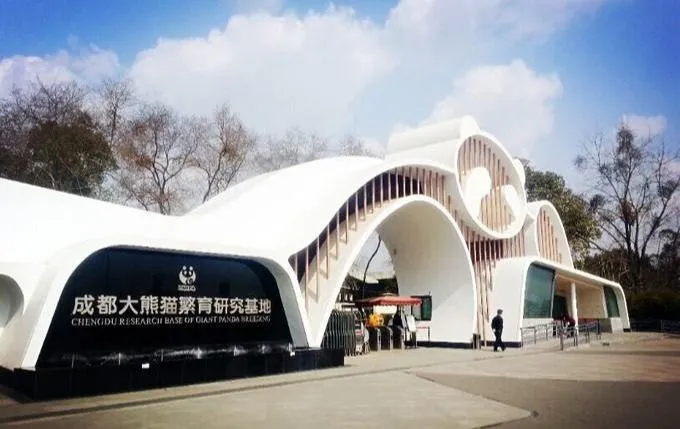
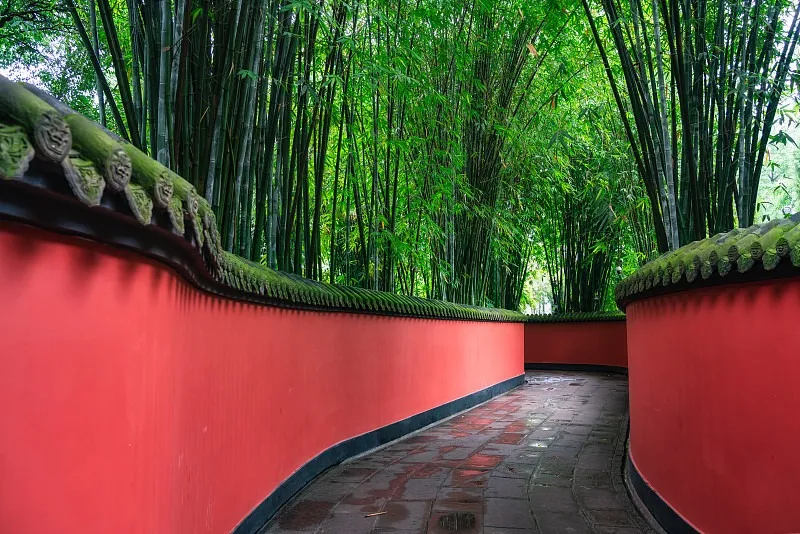
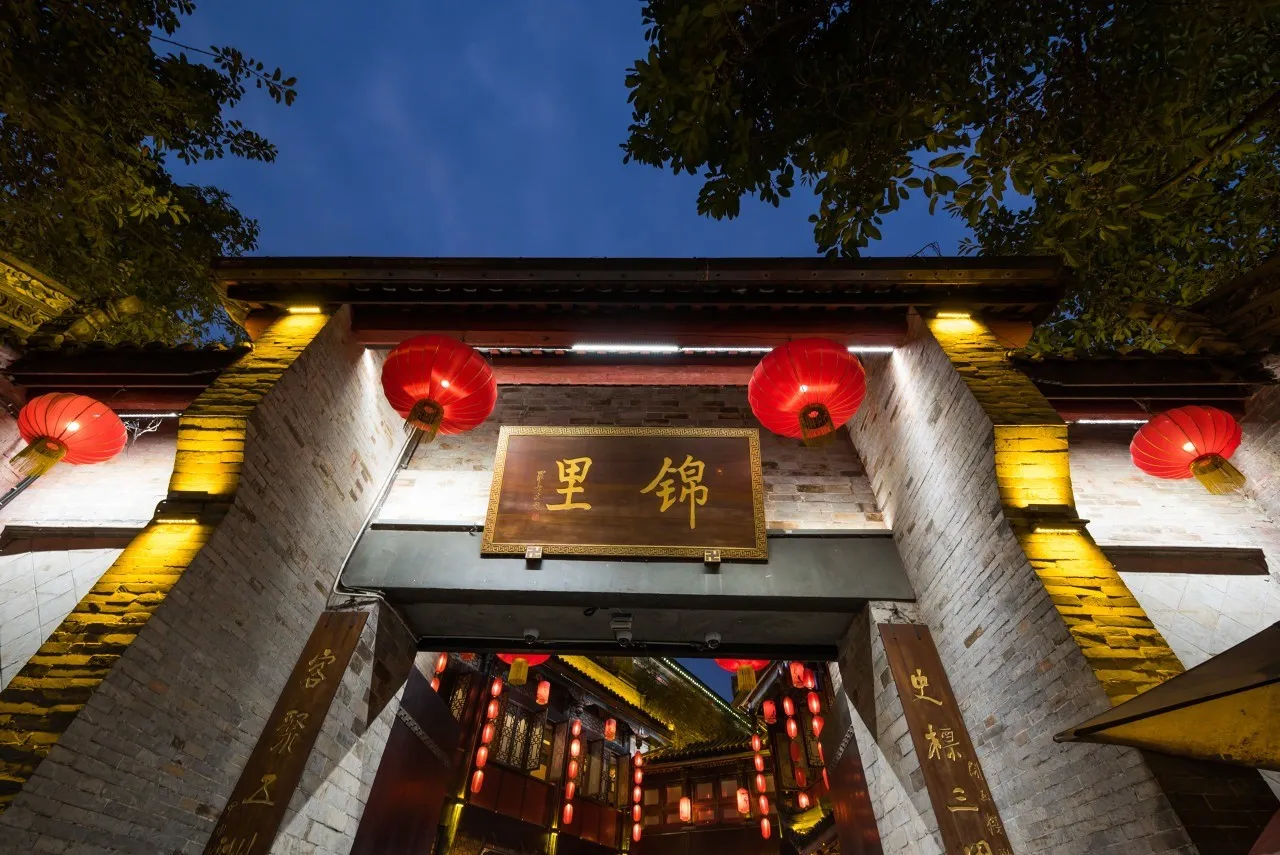
It is home to China's national treasure, the giant pandas. The Chengdu Research Base of Giant Panda Breeding is the world's best place to observe pandas up close. The brilliant ancient Shu civilization is represented by the Sun Bird gold foil unearthed from the Jinsha Site Museum. As the only temple jointly commemorating a monarch and his minister, Wuhou Temple features charming red walls and bamboo shadows, adjacent to the lively Jinli Ancient Street with gorgeous night lanterns.

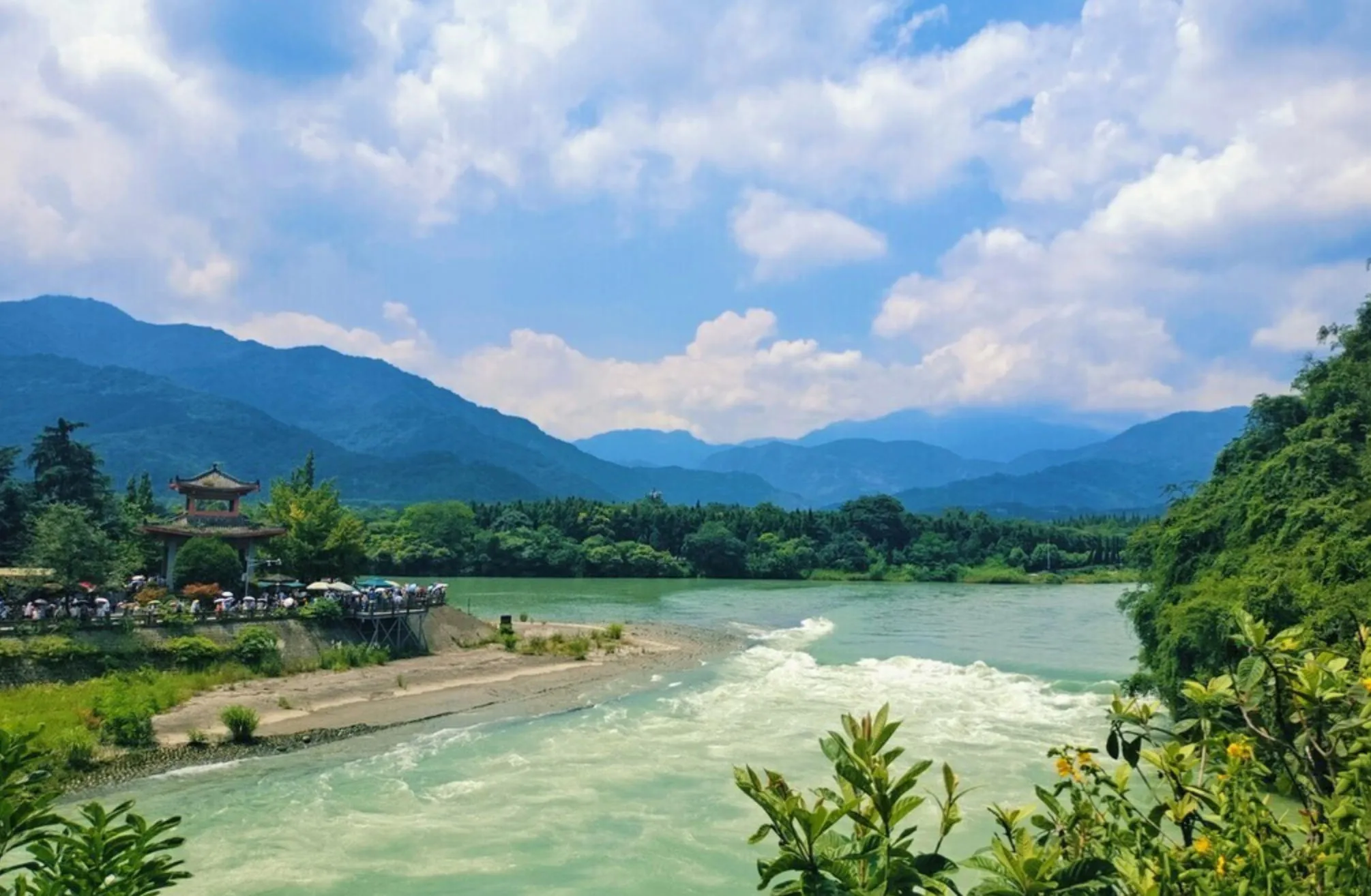
Du Fu Thatched Cottage embodies the tranquility of the poetic sage. Kuanzhai Alleys and Heming Tea House in People's Park showcase the leisurely lifestyle of old Chengdu. The climbing panda of IFS on Chunxi Road and Taikoo Li commercial area highlight its modern fashion. The nearby Dujiangyan Irrigation System, a miracle water conservancy project, and Mount Qingcheng, a famous Taoist mountain, are world heritage sites not to be missed. Sichuan hot pot and authentic local snacks make Chengdu a city you never want to leave.

—— AllWikis

Chengdu Research Base of Giant Panda Breeding

Chengdu Research Base of Giant Panda Breeding

Located at No. 1375 Panda Avenue, Chenghua District, Chengdu, Sichuan Province, the base was founded in 1987, covering an area of 3.07 square kilometers. It is a national AAAA-level tourist attraction and a world-renowned base for ex-situ conservation, scientific research and breeding, as well as popular science tourism of giant pandas.Simulating the wild ecological environment of giant pandas, the base has overcome many technical difficulties such as breeding and cub rearing, and has built the world's largest captive giant panda population (260 individuals) and red panda population. It is home to attractions including the Giant Panda Museum and Panda Tower...
Wuhou Shrine

Wuhou Shrine

Wuhou Shrine, located in Chengdu, Sichuan Province, is the most influential cultural relic site and museum of the Three Kingdoms Period (220–280 CE) in the world. It is the only existing temple complex in China that enshrines both an emperor and his minister, commemorating Liu Bei, the founding emperor of the Shu Han State, and Zhuge Liang, his renowned prime minister honored as Marquis Wu.First built in 223 CE alongside Liu Bei’s Hui Mausoleum, the complex was merged and reconstructed in the Ming and Qing dynasties, covering about 37,000 square meters. It consists of iconic structures such as the Front Gate, Second Gate, Hall of Liu Bei, Hall of Zhuge Liang, and the Tomb of Liu Bei. Inside, lifelike statues, ancient stone steles, delicate carvings and classic calligraphy preserve precious...

Jinli Ancient Street

Jinli Ancient Street

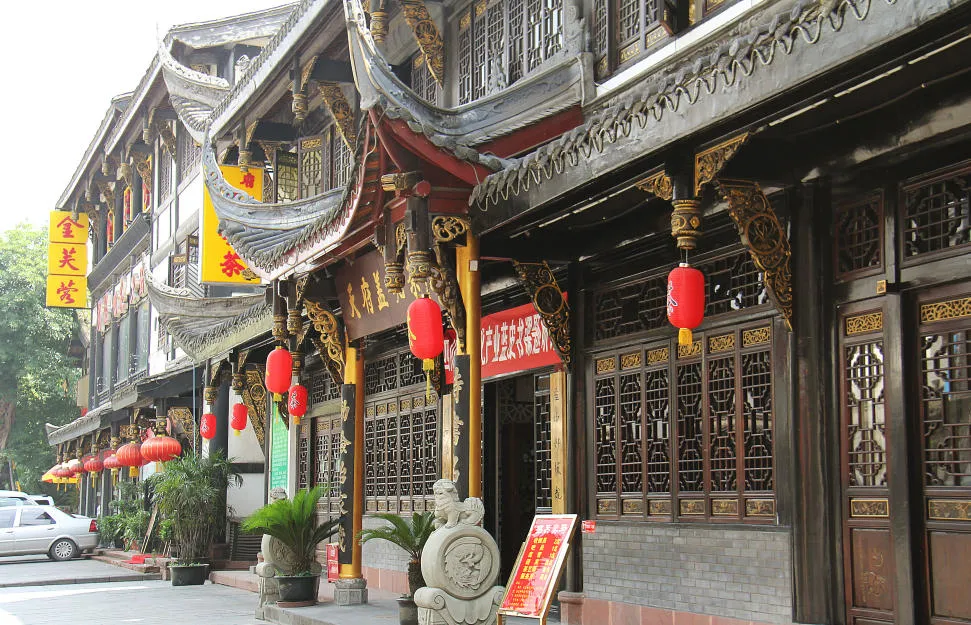
Adjacent to Wuhou Shrine in Wuhou District, Chengdu, Sichuan, Jinli Ancient Street, hailed as “the No.1 Street of Western Shu” and Chengdu’s version of “Along the River During the Qingming Festival”, is a world-famous cultural and folk pedestrian street rooted in the Three Kingdoms culture. With a history tracing back over 1,800 years and named after the renowned Shu Brocade, the 550-meter-long block was restored and opened to the public for free in October 2004, featuring late Qing and early Republican-style western Sichuan residential architecture.Lined with red lanterns, wooden buildings and cobblestone lanes, Jinli boasts numerous teahouses, theaters, snack stalls, craft workshops and souvenir shops. Visitors can savor authentic Sichuan snacks...

Kuanzhai Xiangzi (Wide & Narrow Alleys)

Kuanzhai Xiangzi (Wide & Narrow Alleys)

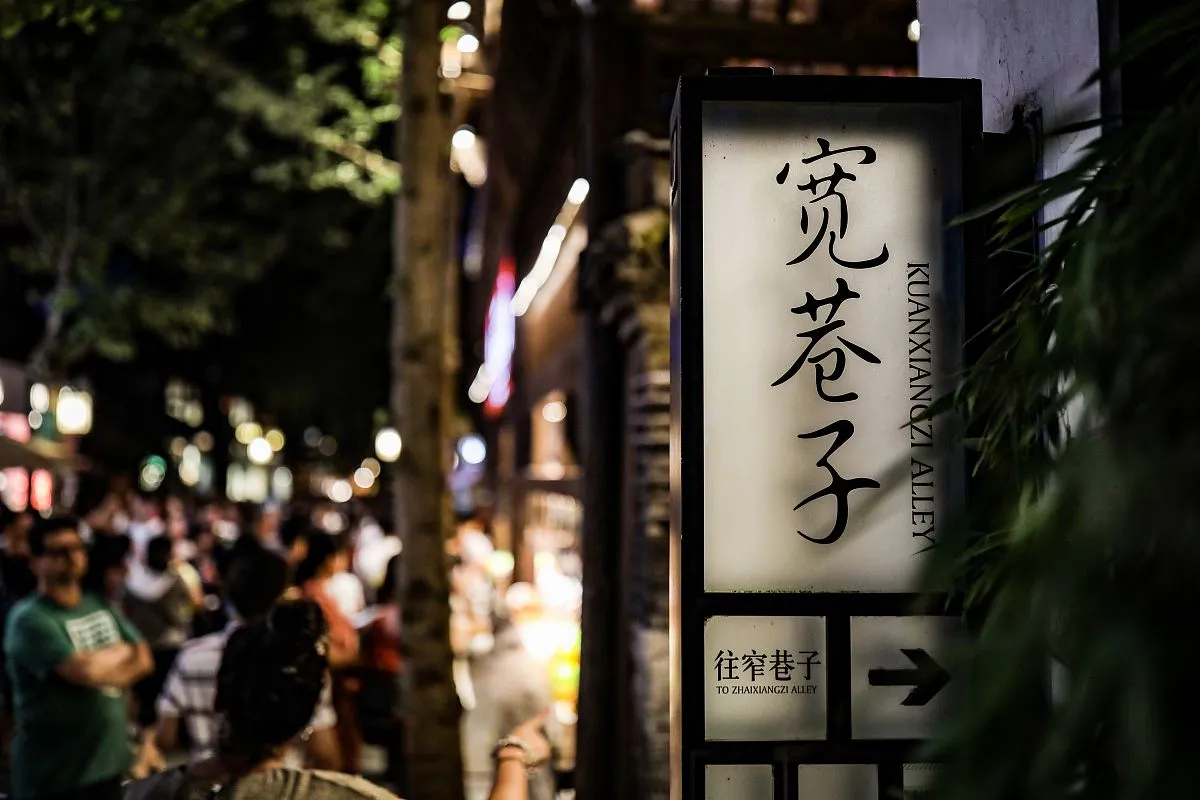
Located in Qingyang District, downtown Chengdu, Sichuan, Kuanzhai Xiangzi, a surviving heritage of the Qing Dynasty’s Manchu Garrison City (Shaocheng), was initially built in 1718 and is one of Chengdu’s three major historical and cultural conservation zones. Composed of three parallel lanes—Kuan Alley, Zhai Alley and Jing Alley, spanning 66,590 square meters with over 70 well-preserved Qing-era courtyard houses, it blends northern quadrangle architecture with western Sichuan folk-style buildings.Kuan Alley highlights traditional leisure life with old teahouses and courtyard mansions like Kailu. Zhai Alley features boutique shops, art galleries and upscale restaurants for a refined experience. Jing Alley is famous for its brick culture wall, recording Chengdu’s long history. After protective renovation starting in 2003...

Chunxi Road:

Chunxi Road: Chengdu's Dynamic Commercial and Cultural Core

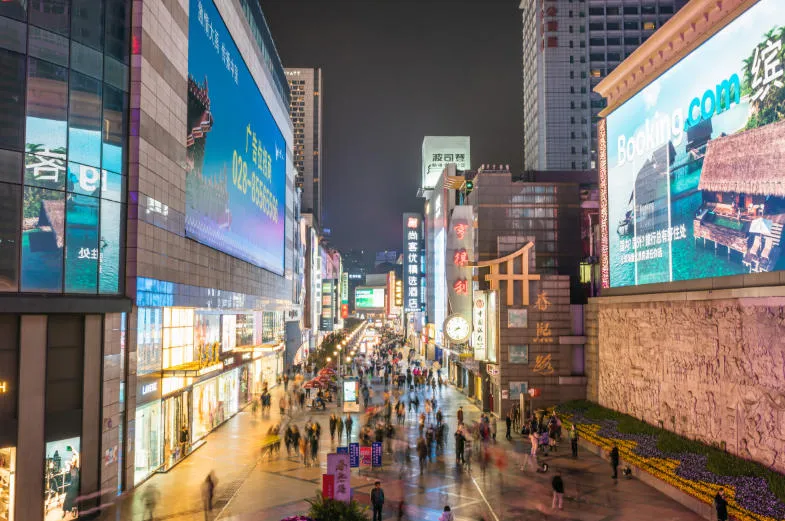
Chunxi Road, located in the heart of Chengdu, Sichuan, is one of China's most famous pedestrian streets, blending modern commerce with local cultural charm. With a history spanning nearly a century, it has evolved from a small thoroughfare into a vibrant hub that attracts millions of visitors annually.Stretching over 1 kilometer, the street is lined with a diverse range of retail outlets, from luxury international brands like Louis Vuitton and Gucci to popular fast-fashion chains and local specialty stores. Shoppers can find everything from high-end fashion and cosmetics to traditional Sichuan handicrafts and snacks. The area is also home to numerous restaurants, cafes, and entertainment venues, offering a wide array of dining and leisure options...

Du Fu Thatched Cottage

Du Fu Thatched Cottage

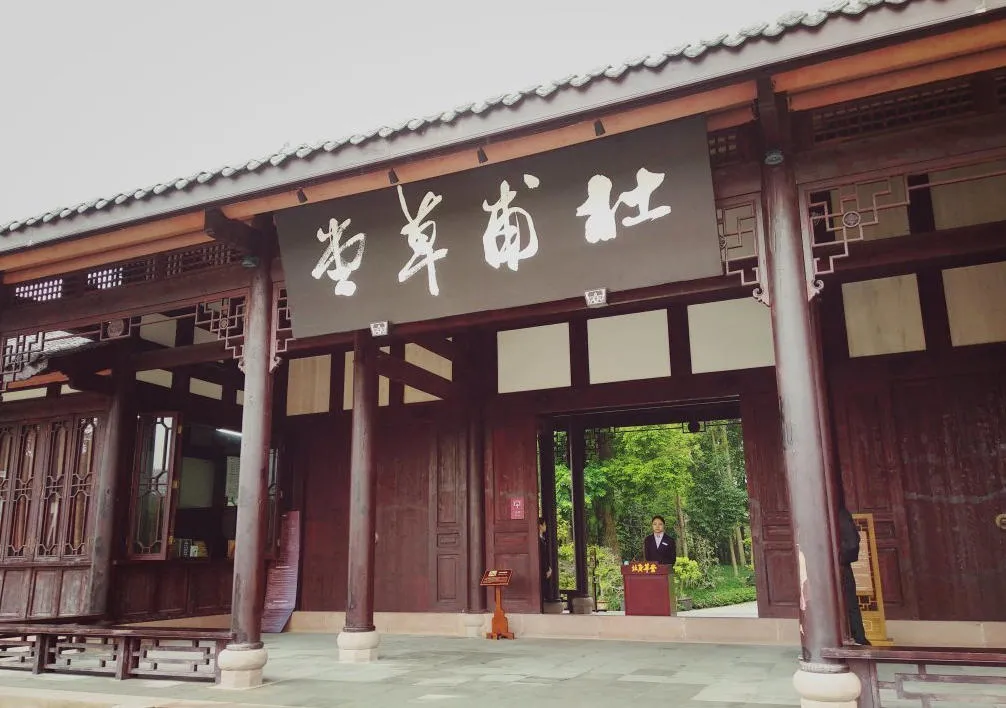
Du Fu Thatched Cottage (Dù Fǔ Cǎotáng), located by the Huanhua Xi (Flower‑Rinsing Creek) in western Chengdu, Sichuan, is China’s largest and best‑preserved memorial site dedicated to Du Fu (712–770), the revered “Poet Sage” of the Tang dynasty. In 759, fleeing the An Lushan Rebellion, Du settled here with his family, building a simple thatched hut with friends’ help. Over four years, he composed more than 240 poems, including classics like Song of the Thatched Hut Ruined by the Autumn Wind and Spring View, earning his works the title “Poetry History” for vividly recording Tang‑era society.The original hut was destroyed; the present complex was rebuilt in the Ming Dynasty (early 16th century) and renovated in 1811 (Qing Dynasty)...

jinsha-site-museum.jpg

Jinsha Site Museum

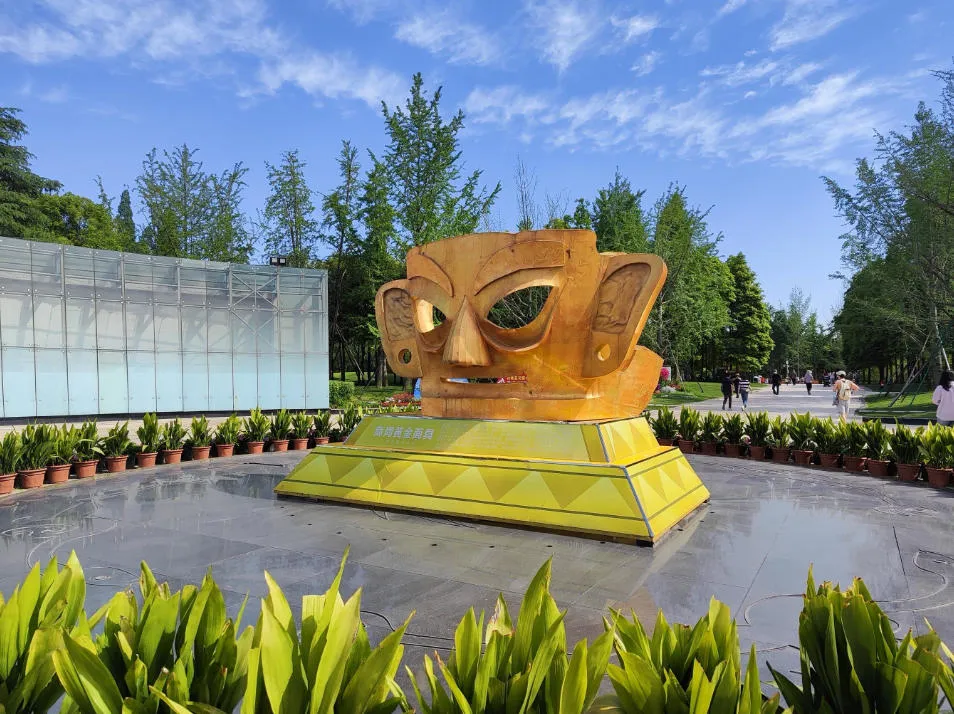
Jinsha Site Museum is situated in Qingyang District, Chengdu, Sichuan Province, China. It is a first-class national museum and a national AAAA-level tourist attraction, officially opened to the public in 2007. Built on the archaeological site discovered in 2001, the museum covers an area of about 300,000 square meters, consisting of the Relics Hall, Exhibition Hall, Wood Museum and cultural landscape gardens.

The site dates back to the late Shang Dynasty to the early Spring and Autumn Period, around 1200–650 BCE, serving as a significant capital of the ancient Shu civilization, which is closely connected with Sanxingdui culture. It has unearthed more than 10,000 precious cultural relics, including gold, bronze, jade, stone and ivory artifacts.

chengdu-museum.jpg

Chengdu Museum

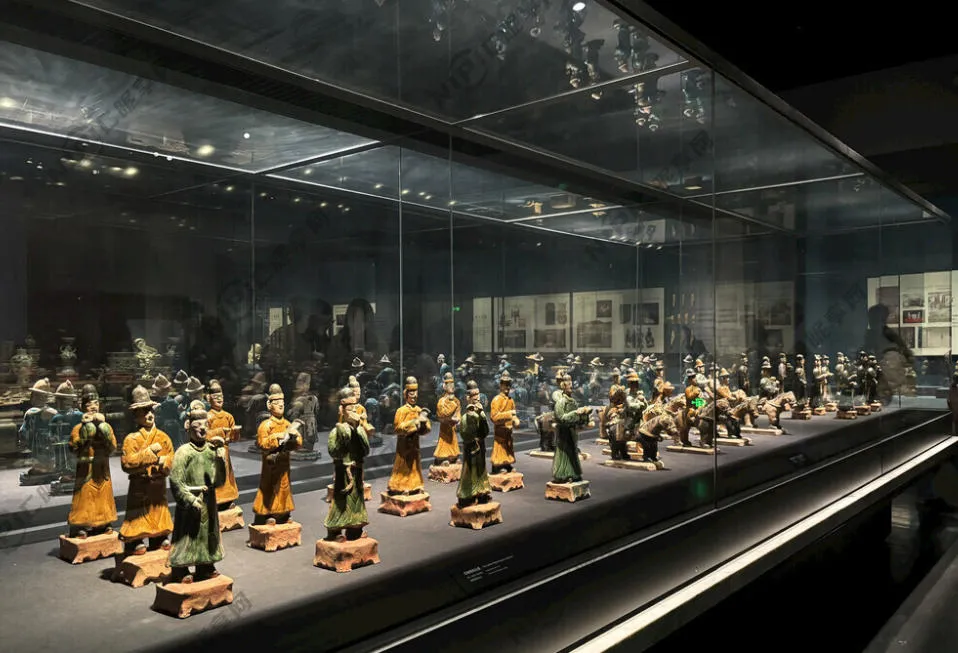
Chengdu Museum, located to the west of Tianfu Square in the city center, is a first-class national museum and the largest comprehensive urban museum in Southwest China. The new building opened to the public in 2016, featuring an elegant architectural design known as "Gold Inlaid Jade", which echoes the ancient Shu civilization’s profound culture of gold and jade artifacts.Covering a construction area of 65,000 square meters, the museum houses nearly 300,000 collections spanning from the Neolithic Age to modern times. Its permanent exhibition Flowers Flourish in Jin Guan Cheng systematically displays Chengdu’s long history and unique local customs across multiple floors. The museum’s most treasured relics include the massive Western Han Dynasty Stone Rhinoceros...

Wenshu Monastery

Wenshu Monastery

Located at No. 66 Wenshuyuan Street, Qingyang District, Chengdu, Sichuan, Wenshu Monastery, also known as Konglin Hall, is a renowned Chan Buddhist temple and a well-preserved Qing-style complex in the city. Its origins date back to the Sui Dynasty’s Daye period (605–617). After being destroyed in the late Ming Dynasty, it was rebuilt in 1697 during the Kangxi reign and renamed Wenshu Monastery, with Emperor Kangxi granting the “Konglin” plaque in 1701.

Arranged along a central axis are grand halls including the Heavenly Kings Hall, Mahavira Hall, Dharma Hall and Scripture Collection Pavilion. The monastery boasts an extraordinary...

Qingyang Palace

Qingyang Palace

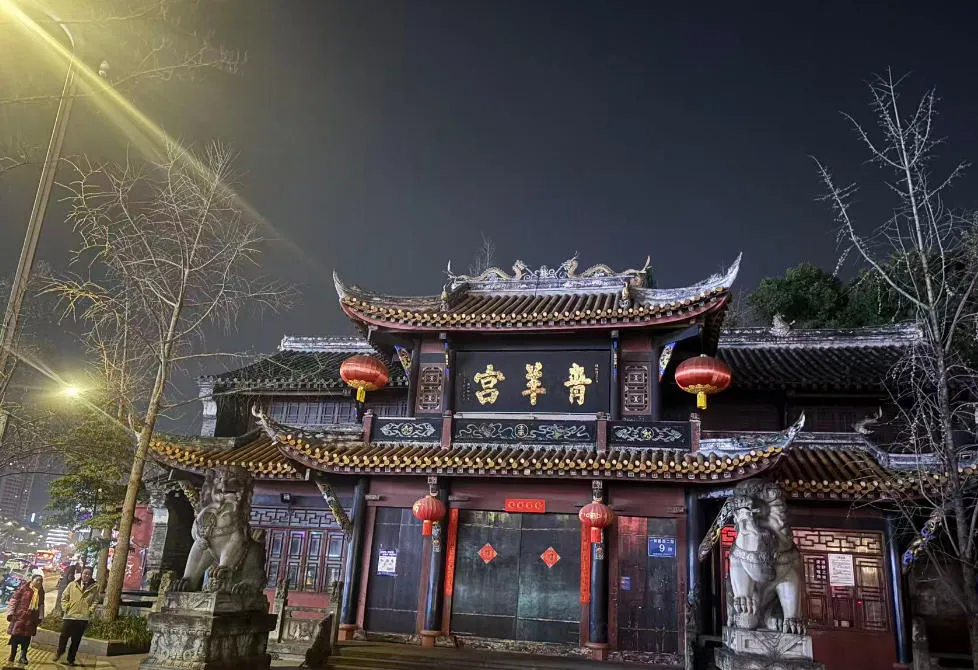
Located at No.9 West Section 2 of 1st Ring Road, Qingyang District, Chengdu, Sichuan, Qingyang Palace, hailed as the “Top Taoist Temple in Western Sichuan”, is the oldest and largest Taoist sanctuary in Southwest China. Its origin dates back to the Zhou Dynasty, initially named Qingyang Market. It was officially designated as Qingyang Palace by Emperor Xizong of the Tang Dynasty in 883, and the existing complex was rebuilt during the Kangxi reign (1667–1671) of the Qing Dynasty after late-Ming destruction.Along the central axis stand the main structures including Hunyuan Hall, the octagonal Bagua Pavilion, Sanqing Hall and Doumu Hall. The iconic bronze goats in Sanqing Hall, especially the zodiac-featured single-horned one, and the well-preserved woodblock editions of the Taoist Canon are precious cultural relics.

Mount Qingcheng

Mount Qingcheng

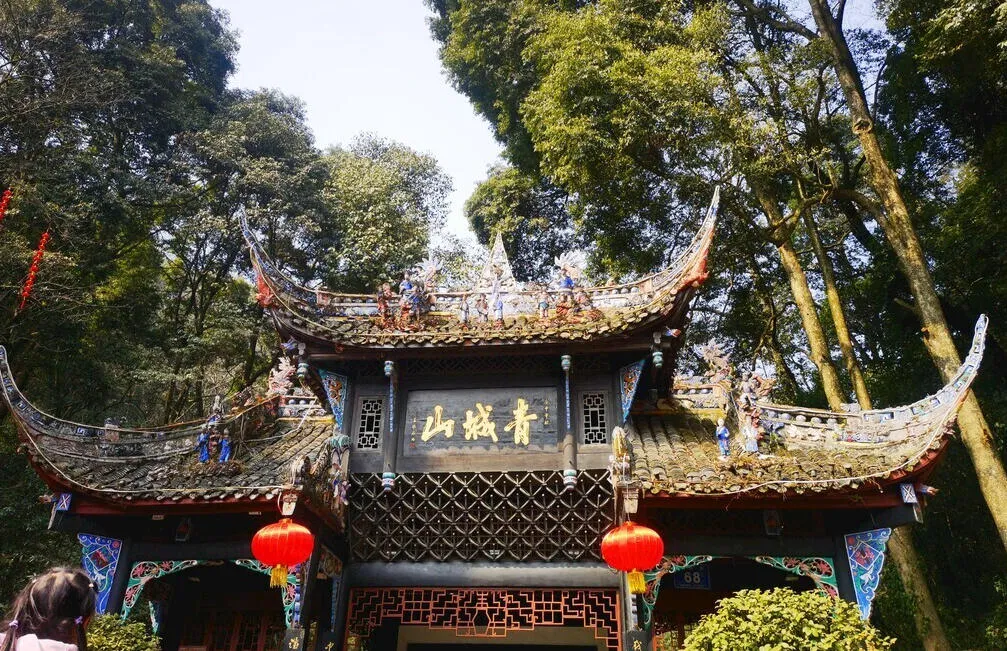
Located in Dujiangyan, Chengdu, Sichuan, about 68 km from downtown Chengdu and 10 km southwest of the Dujiangyan Irrigation Project, Mount Qingcheng is revered as the birthplace of Taoism and famed for the motto “Qingcheng Tianxia You” (Qingcheng is the most serene under heaven). In 143 AD, Zhang Daoling founded Tianshi Taoism here, and it has been honored as the 5th Heavenly Grotto in Taoist tradition.Its existing Taoist complexes, including Jianfu Palace, Tianshi Cave and Shangqing Palace, blend seamlessly into the lush mountains, embodying the Taoist philosophy of harmony between humans and nature. In 2000, it was inscribed on the UNESCO World Heritage List together with Dujiangyan.

Dujiangyan Scenic Area

Dujiangyan Scenic Area

Located on the Minjiang River west of the Chengdu Plain in Sichuan Province, Dujiangyan is a world-famous ancient water conservancy project and a 5A-level tourist attraction, inscribed on the UNESCO World Heritage List in 2000. Initiated by Li Bing, the governor of Shu Commandery of the Qin State, and his son around 256 BC, this over 2,200-year-old project is the oldest and still-functioning damless water-diversion system globally.It consists of three core structures: Yuzui Bypass Dike, Feishayan Spillway and Baopingkou Diversion Passage. These works use natural terrain and hydrology to divide water, discharge floods and flush sediments, transforming the once flood-and-drought-stricken Chengdu Plain into the “Land of Abundance”.

all wikis